Overnight Vegan Pizza Dough Recipe
Introduction
Discover how to make a perfectly light, airy, and chewy vegan pizza dough with an easy overnight method. This recipe requires minimal hands-on time and delivers delicious flavor through a slow, cold rise. Whether you prefer a crispy pan crust or a classic stone-baked pizza, this dough adapts beautifully.
Ingredients
- 1 and 1/2 cups warm water (not hot)
- 1 and 1/2 teaspoons active dry yeast (traditional yeast)
- 1 tablespoon granulated white sugar
- 2 tablespoons olive oil plus more for pans and bowl
- 2 cups bread flour
- 1 and 1/2 cups all purpose flour (plus up to 1/2 cup more as needed)
- 2 teaspoons salt
- 1/4 teaspoon baking powder
- 1 teaspoon granulated garlic (powder)
- Fine yellow cornmeal for dusting pans (optional)
Instructions
- Step 1: Proof the yeast by combining warm water, active dry yeast, and sugar in a stand mixer bowl or large mixing bowl. Stir gently and let it sit for 5 to 10 minutes until foamy. Then stir in 2 tablespoons of olive oil.
- Step 2: In a separate bowl, mix bread flour, all purpose flour, salt, baking powder, and garlic powder. Keep the extra 1/2 cup of flour nearby in case you need it.
- Step 3: Add the flour mixture to the yeast mixture. Using a dough hook on low speed, mix until all the flour is incorporated and the dough feels slightly tacky. Add flour a tablespoon at a time if needed. Increase the mixer speed to medium-low and knead for 5 to 7 minutes until the dough is smooth and springs back slowly when pinched.
- Step 4: Lightly oil a bowl with 2 teaspoons olive oil, place the dough inside, and coat it with the oil. Cover tightly with plastic wrap and let rise at room temperature for 3 to 4 hours until doubled.
- Step 5: Turn the dough onto a counter, deflate it, and fold it over itself like a quesadilla several times to develop gluten and trap air bubbles. Shape into one or more balls depending on your pizza size preference. Place dough balls in lightly oiled, lidded containers and refrigerate for 24 to 72 hours. This slow rise enhances flavor and texture.
- Step 6: When ready to bake, let dough come to room temperature for 30 minutes to 1 hour. Preheat oven to 475°F (246°C), placing a pizza stone inside for at least 30 minutes if using. Roll or stretch dough, add toppings, and bake for 12 to 15 minutes.
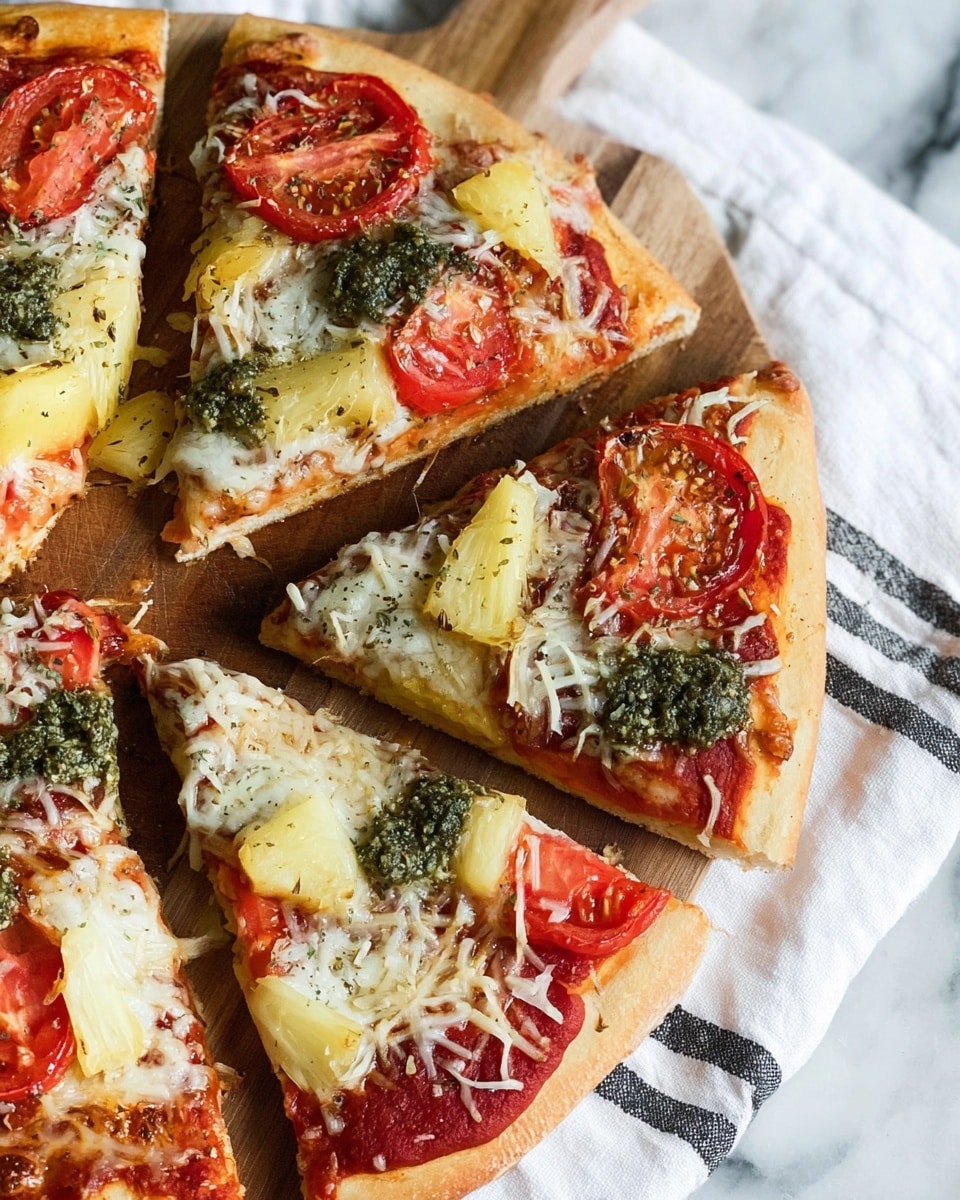
- Step 7: For pan pizzas, oil the pizza pans generously and optionally dust with cornmeal. Use 3 dough balls for 9-inch pans, 2 for two 12-inch pans, or 1 for a large sheet pan. Press dough into pans, dimple with fingers, brush edges with olive oil, add toppings, and bake until crust is golden brown.
- Step 8: For pizza stone baking, roll or stretch dough and place it on a floured pizza peel or parchment paper dusted with cornmeal. Add toppings, then slide pizza onto the preheated stone and bake until golden brown.
- Step 9: For perforated pizza pans, oil and dust pans with cornmeal if desired, add the rolled dough, brush edges with olive oil, top, and bake 12 to 15 minutes until crust is golden.
Tips & Variations
- Use fine yellow cornmeal on pans or pizza peel for an extra crispy crust texture.
- If dough feels too sticky, add flour a little at a time during kneading but avoid adding too much to keep dough tender.
- For enhanced flavor, allow dough to ferment in the refrigerator up to 72 hours.
- If you don’t have a stand mixer, mix with a wooden spoon and knead by hand on a floured surface.
- Freeze dough after the first rise for up to 3 months; thaw in the fridge overnight before use.
Storage
Store the pizza dough balls in lightly oiled, airtight containers in the refrigerator for up to 3 days. For longer storage, freeze dough after the first rise, tightly wrapped or in freezer-safe containers, for up to 3 months. To use frozen dough, thaw overnight in the fridge then bring to room temperature before baking. Leftover baked pizza keeps well covered in the refrigerator for 3 to 4 days and reheats nicely in a hot oven or skillet to restore crispness.
How to Serve
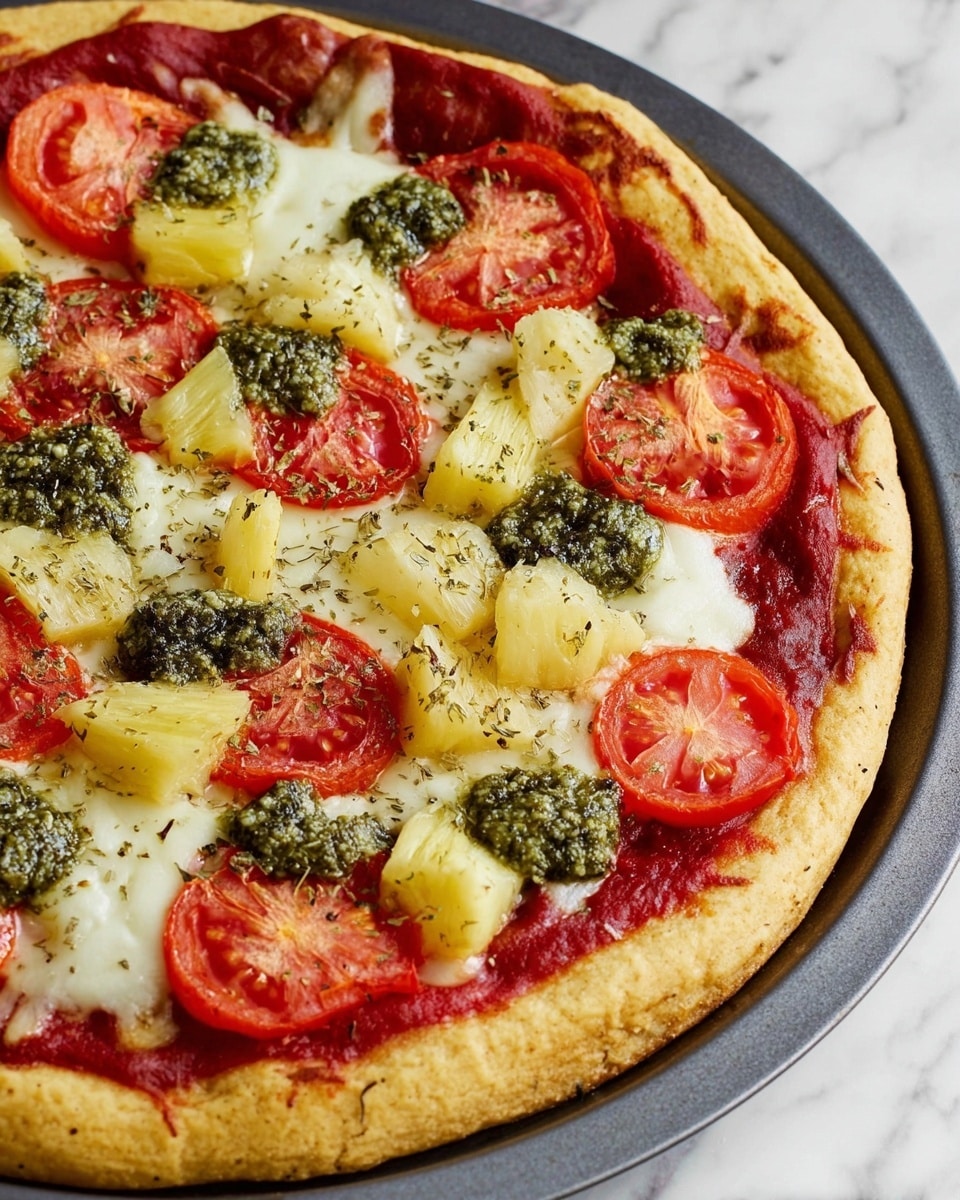
Serve this delicious recipe with your favorite sides.
FAQs
Can I use regular dry yeast instead of active dry yeast?
Yes, active dry yeast is recommended, but instant yeast can be used as a substitute. If using instant yeast, you can mix it directly with dry ingredients without proofing. Adjust rising times accordingly.
What if I don’t have bread flour? Can I use only all-purpose flour?
You can use all-purpose flour alone, but the dough may be less chewy and elastic. Bread flour has higher protein content which helps create a better texture, but all-purpose flour works well for a delicious homemade pizza crust.
PrintOvernight Vegan Pizza Dough Recipe

This Overnight Vegan Pizza Dough recipe delivers a light, airy, and chewy crust with a crispy edge. Made using bread and all-purpose flours, active dry yeast, olive oil, and flavored with garlic powder, it features a slow rising process in the refrigerator for enhanced flavor and texture. Perfect for shaping into pan pizzas, stone-baked pizzas, or perforated pan pizzas, this versatile dough is easy to prepare ahead of time and vegan-friendly.
- Prep Time: 15 minutes
- Cook Time: 12 to 15 minutes
- Total Time: overnight plus 3 to 4 hours rising and 12-15 minutes baking
- Yield: 3 medium pizzas or 1 large pizza 1x
- Category: Pizza Dough
- Method: Baking
- Cuisine: Italian
- Diet: Vegan
Ingredients
Wet Ingredients
- 1 and 1/2 cups warm water (not hot)
- 2 tablespoons olive oil plus more for pans and bowl
Dry Ingredients
- 1 and 1/2 teaspoons active dry yeast (traditional yeast)
- 1 tablespoon granulated white sugar
- 2 cups bread flour
- 1 and 1/2 cups all purpose flour (plus up to a 1/2 cup more as needed)
- 2 teaspoons salt
- 1/4 teaspoon baking powder
- 1 teaspoon granulated garlic (powder)
Optional for Baking
- Fine yellow cornmeal for dusting pans (optional)
Instructions
- Proof Yeast: In a stand mixer bowl or mixing bowl, combine warm water, active dry yeast, and sugar. Stir briefly and let sit for 5 to 10 minutes until the yeast foams up on top. Stir in 2 tablespoons of olive oil once foamy.
- Mix Dry Ingredients: While yeast is proofing, whisk together bread flour, 1 and 1/2 cups all-purpose flour, salt, baking powder, and granulated garlic powder in a separate bowl. Keep up to 1/2 cup extra flour aside for adjusting dough consistency.
- Make the Dough: Pour dry flour mixture over the yeast mixture. Attach dough hook to stand mixer, mix on low speed until incorporated. If dough is too sticky, add flour one tablespoon at a time until slightly tacky but manageable. Increase speed to medium low and knead for 5 to 7 minutes until the dough is smooth, soft, and springs back slowly when pinched. Scrape bowl and dough hook as needed. Dough should stick lightly to bottom but not sides.
- First Rise: Coat a clean bowl with 2 teaspoons olive oil. Add dough ball and toss to coat. Cover tightly with plastic wrap and let rise at room temperature for 3 to 4 hours or until doubled in size.
- Strengthen and Shape Dough: Deflate dough on countertop, press flat, fold over like a quesadilla, press and turn, repeat 3 more times to develop gluten and trap air bubbles for soft, airy crust. Shape into one large ball or divide into 2 or 3 smaller balls. Place dough balls into lightly oiled, lidded containers large enough for expansion.
- Second Rise (Cold Fermentation): Refrigerate dough for 24 to 72 hours. Flavor and texture improve with longer fermentation. If freezing, do so at this stage.
- Prepare for Baking: Remove dough from fridge and let come to room temperature for 30 minutes to 1 hour before shaping (can roll cold in a pinch). Preheat oven to 475°F and place pizza stone in oven for at least 30 minutes if using.
- Pan Pizza: For thicker, crispy crust, use 3 balls for 9-inch pans, 2 balls for 12-inch pans, and 1 ball for a large or sheet pan pizza. Oil pans with olive oil (1 tablespoon for 9-inch, 2 tablespoons for 12-inch, more for large). Optionally, sprinkle cornmeal for extra crunch. Place dough in pan and flatten with hands, dimpling dough with fingers. Rest if dough springs back. Brush edges with olive oil. Add sauce and toppings. Bake 12 to 15 minutes until deep golden brown.
- Pizza Stone Baking: Roll or stretch dough on floured surface, place on floured pizza peel dusted with cornmeal if desired. Brush edges with olive oil. Add sauce and toppings. Slide pizza onto preheated pizza stone. Bake 12 to 15 minutes until crust is golden brown. If no peel, assemble pizza on parchment paper to slide onto stone; paper can be removed after crust sets.
- Perforated Pizza Pans: Roll or stretch dough, oil perforated pan and sprinkle cornmeal if desired. Place dough on pan, brush edges with olive oil. Add sauce and toppings. Bake 12 to 15 minutes until golden brown.
Notes
- Ensure water is warm but not hot to avoid killing yeast.
- Extra flour may be needed depending on humidity and flour type.
- Longer cold fermentation (up to 3 days) enhances flavor and texture.
- Letting dough rest if it springs back during shaping helps relax gluten.
- Using a pizza stone preheated for 30 minutes improves crust crispiness.
- Optionally dust pans and peel with cornmeal for extra crunch and to prevent sticking.
- This dough is vegan, use your favorite vegan pizza toppings to keep it plant-based.
Keywords: Vegan pizza dough, overnight pizza dough, homemade pizza crust, vegan pizza recipe, slow rise pizza dough, easy pizza dough