Sourdough Herb & Cheese Rolls Recipe
Introduction
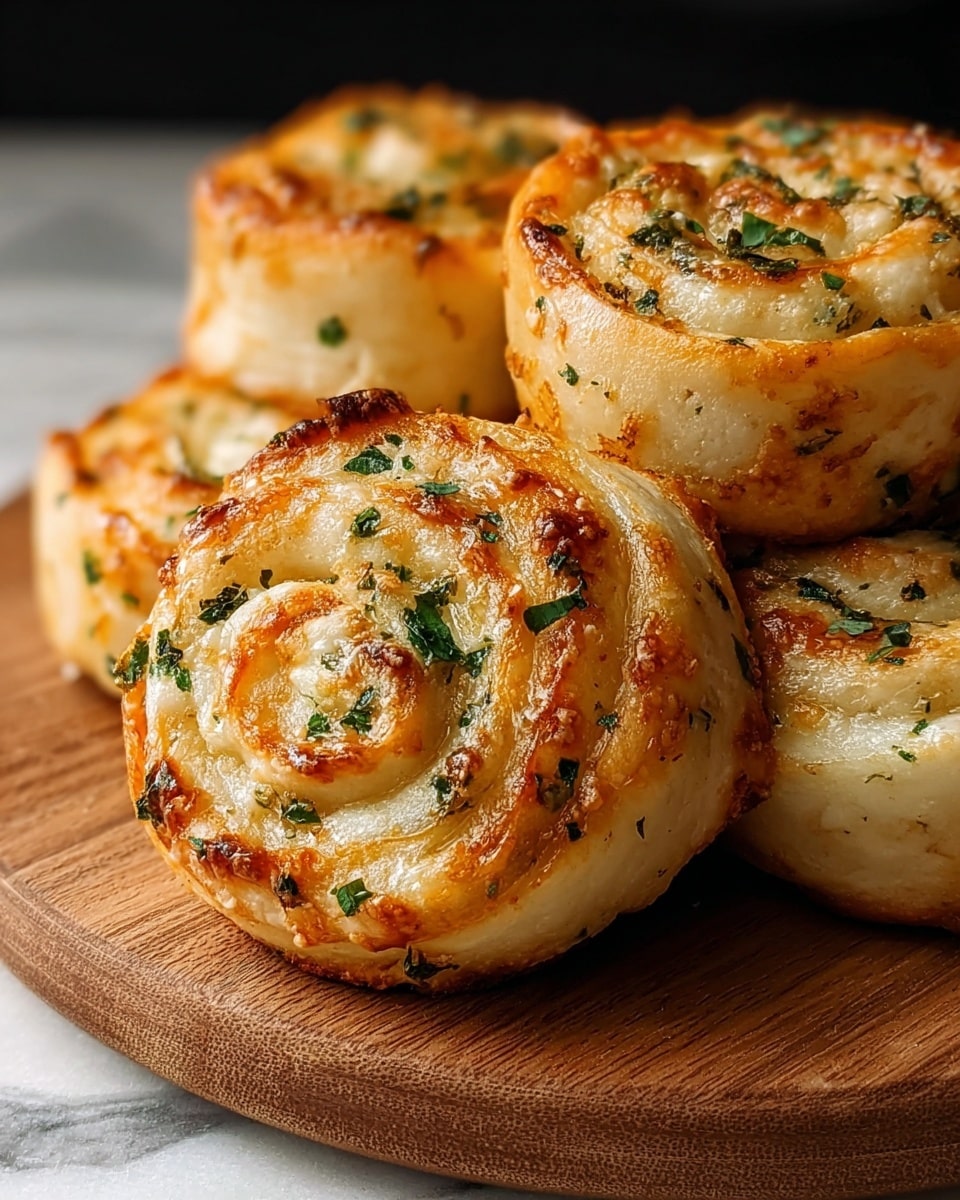
These sourdough herb and cheese rolls are soft, flavorful, and perfect for any meal. Infused with fresh herbs and sharp cheddar, they offer a delightful savory twist on classic rolls. Whether you enjoy them warm or toasted, they’re sure to become a favorite.
Ingredients
- 200 grams active sourdough starter
- 350 grams warm water
- 450 grams strong bread flour
- 50 grams whole wheat flour
- 10 grams fine sea salt
- 30 grams unsalted butter, softened
- 150 grams sharp cheddar cheese, grated
- 2 tablespoons fresh rosemary, finely chopped
- 1 tablespoon fresh thyme leaves
- 1 tablespoon fresh chives, finely snipped
- 1 teaspoon dried oregano
- 1 large egg (optional, for egg wash)
- 1 tablespoon milk or water (optional, for egg wash)
Instructions
- Step 1: The night before, feed your sourdough starter. Ensure it’s active and bubbly at its peak, about 4–8 hours after feeding.
- Step 2: In a large bowl, combine 450g bread flour, 50g whole wheat flour, and 320g warm water. Mix until no dry flour remains. Cover and let rest for 30–60 minutes (autolyse).
- Step 3: After autolyse, add 200g active sourdough starter and gently mix into the dough. Then add 10g sea salt, the remaining 30g warm water, and 30g softened unsalted butter. Knead for 8–10 minutes until smooth, elastic, and passing the windowpane test.
- Step 4: Place dough in a lightly oiled bowl, cover, and bulk ferment at room temperature (22–25°C) for 3–4 hours.
- Step 5: During bulk fermentation, perform 3–4 sets of stretch and folds every 30–45 minutes. With damp hands, stretch a portion of dough upwards and fold it over itself. Rotate and repeat three more times each set. Re-cover after each. The dough should increase in volume by 20–30%.
- Step 6: After bulk fermentation, turn dough onto a lightly floured surface and flatten into a rectangle. Sprinkle half the grated cheese and herbs (rosemary, thyme, chives, oregano). Fold dough, sprinkle remaining cheese and herbs, then fold again. Gently press to distribute evenly.
- Step 7: Divide dough into 12–16 equal pieces (75–90g each). Pre-shape each into a loose ball to create surface tension. Cover and rest for 15–20 minutes.
- Step 8: Flatten each ball into a disc. Fold edges to the center, seal tightly at the bottom, and roll gently to form a smooth, round shape. Place on a parchment-lined baking sheet 1–2 inches apart.
- Step 9: Cover rolls loosely. For best flavor, cold proof in the refrigerator for 8–16 hours (overnight), or proof at room temperature for 1–2 hours until puffy. Rolls are ready when a gentle poke leaves a slight indentation that slowly springs back.
- Step 10: Preheat oven to 425°F (220°C) about 45–60 minutes before baking. If using, whisk the egg with milk or water for the egg wash.
- Step 11: Optionally score rolls and brush with egg wash. Bake in the preheated oven for 15–20 minutes until golden brown and hollow sounding when tapped. Internal temperature should reach 200–210°F (93–99°C).
- Step 12: Transfer rolls to a wire rack and cool completely for the best texture and flavor.
- Step 13: Serve rolls on their own, with soup or salad, or as a side to any meal. Enjoy the savory, cheesy, and herbaceous flavors!
Tips & Variations
- Use different cheese varieties like gouda or mozzarella for a milder or creamier flavor.
- For a dairy-free option, replace butter with olive oil and skip the egg wash or use a plant-based substitute.
- To enhance herb flavor, lightly toast fresh herbs before adding them to the dough.
- Keep your sourdough starter well-fed and active to ensure good fermentation and rise.
- The overnight cold proof also helps develop flavor and improves dough handling.
Storage
Store cooled rolls in an airtight container or wrapped in foil at room temperature for up to 2 days. For longer storage, freeze rolls after cooling in a sealed bag for up to 3 months. Reheat frozen rolls in a preheated oven at 350°F (175°C) for 10–12 minutes until warmed through. Avoid microwaving to preserve texture.
How to Serve
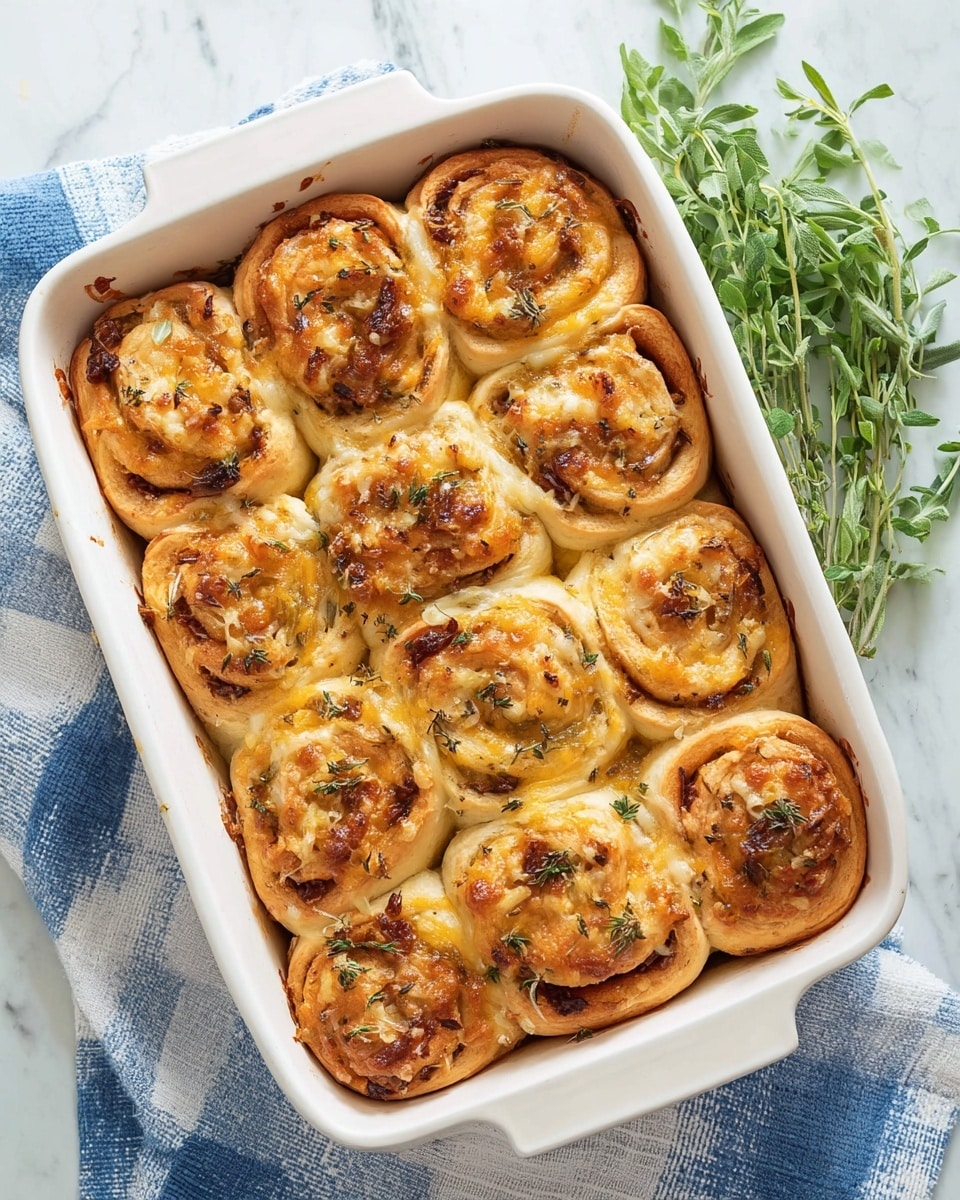
Serve this delicious recipe with your favorite sides.
FAQs
Can I use instant yeast instead of sourdough starter?
You can substitute with instant yeast, but the flavor and texture will differ. Use about 2 teaspoons of instant yeast and adjust rising times accordingly, usually shortening bulk fermentation considerably.
Should I use the egg wash on all rolls?
Egg wash is optional. It gives rolls a shiny, golden crust but can be skipped for a more rustic appearance. For vegan alternatives, brush with oil or plant milk before baking.
PrintSourdough Herb & Cheese Rolls Recipe

These Sourdough Herb & Cheese Rolls are soft, flavorful, and packed with sharp cheddar cheese and a fresh blend of rosemary, thyme, chives, and oregano. Made with active sourdough starter and a mix of bread and whole wheat flours, these rolls develop a delightful crust and tender crumb through natural fermentation and thoughtful preparation. Perfect for breakfast, alongside soups, salads, or as an aromatic accompaniment to any meal.
- Prep Time: 20 minutes (plus overnight starter feeding and autolyse/rest times)
- Cook Time: 15-20 minutes
- Total Time: Approximately 12-18 hours including fermentation and proofing
- Yield: 12 to 16 rolls 1x
- Category: Bread
- Method: Baking
- Cuisine: American/Artisan
Ingredients
Dough
- 200 grams active sourdough starter
- 350 grams warm water (divided: 320g for autolyse, 30g for mixing)
- 450 grams strong bread flour
- 50 grams whole wheat flour
- 10 grams fine sea salt
- 30 grams unsalted butter, softened
Herbs & Cheese
- 150 grams sharp cheddar cheese, grated
- 2 tablespoons fresh rosemary, finely chopped
- 1 tablespoon fresh thyme leaves
- 1 tablespoon fresh chives, finely snipped
- 1 teaspoon dried oregano
Optional Egg Wash
- 1 large egg
- 1 tablespoon milk or water
Instructions
- Prepare Starter: The night before baking, feed your sourdough starter to ensure it is active, bubbly, and at its peak fermentation, typically 4-8 hours after feeding.
- Autolyse: In a large bowl, combine the bread flour, whole wheat flour, and 320 grams of the warm water. Mix until no dry flour remains, cover the bowl, and let the dough rest for 30 to 60 minutes. This process helps hydrate the flour and develops gluten structure.
- Mix Dough: After autolyse, add the active sourdough starter to the dough and gently mix it in. Then add the fine sea salt, the remaining 30 grams of warm water, and the softened unsalted butter. Knead the dough for 8 to 10 minutes until it becomes smooth, elastic, and passes the windowpane test, indicating good gluten development.
- Bulk Fermentation: Place the kneaded dough in a lightly oiled bowl, cover it, and allow it to bulk ferment at room temperature (between 72-78°F or 22-25°C) for 3 to 4 hours.
- Stretch & Folds: During the bulk fermentation, perform 3 to 4 sets of stretch and folds every 30 to 45 minutes. Wet your hands, stretch a portion of the dough upwards, fold it over itself, rotate the dough, and repeat three more times each session. Cover the dough after each set. This technique strengthens the dough and helps it gain 20-30% in volume.
- Add Inclusions: After bulk fermentation, turn the dough onto a lightly floured surface and flatten it into a rectangle. Sprinkle half of the grated sharp cheddar cheese along with half the chopped rosemary, thyme, chives, and dried oregano evenly over the dough. Fold the dough, then repeat by sprinkling the remaining cheese and herbs before folding again. Gently press the dough to evenly distribute the herbs and cheese throughout.
- Divide & Pre-shape: Divide the dough into 12 to 16 equal pieces, each weighing between 75 and 90 grams. Shape each piece into a loose ball by creating surface tension with your hands, then cover and let them bench rest for 15 to 20 minutes.
- Final Shape: Flatten each pre-shaped dough ball into a disc. Fold the edges of each disc towards the center and seal the dough tightly at the bottom. Roll gently between your palms to create a smooth, taut, round roll. Place the rolls on a parchment-lined baking sheet spaced 1 to 2 inches apart.
- Final Proof: Cover the shaped rolls loosely. For best flavor, cold proof the rolls overnight in the refrigerator for 8 to 16 hours. Alternatively, proof at room temperature (72-78°F / 22-25°C) for 1 to 2 hours until the rolls are puffy and a gentle poke leaves a slight indentation that slowly springs back.
- Preheat Oven & Egg Wash: Preheat your oven to 425°F (220°C) at least 45 to 60 minutes before baking to ensure proper oven spring. If using an egg wash, whisk together the large egg and milk or water.
- Bake: Optionally score the tops of the rolls to control expansion. Brush each roll with the egg wash if desired to enhance browning and shine. Bake the rolls in the preheated oven for 15 to 20 minutes until they are golden brown and sound hollow when tapped. The internal temperature should reach 200-210°F (93-99°C) when fully baked.
- Cool: Transfer the baked rolls to a wire rack and cool completely to allow the crumb to set and develop full flavor.
- Serve: Serve these savory herb and cheese rolls on their own or alongside soups, salads, or any meal to enjoy their rich cheesy and herbaceous taste.
Notes
- Make sure your sourdough starter is very active for optimal rise and texture.
- Cold proofing overnight enhances flavor complexity and crumb texture but room temperature proofing is faster and still yields good results.
- Adjust the herb quantities to your preference; fresh herbs provide the best aroma but dried can be substituted.
- Use an instant-read thermometer to check doneness for perfectly baked rolls.
- The egg wash is optional but adds a beautiful glossy finish and richer color.
- Store leftover rolls in an airtight container or freeze to preserve freshness.
Keywords: sourdough rolls, herb rolls, cheese rolls, sourdough bread, homemade bread, artisan bread, cheddar cheese bread, rosemary bread, thyme rolls, chive bread