The Best Cheesecake Recipe
Introduction
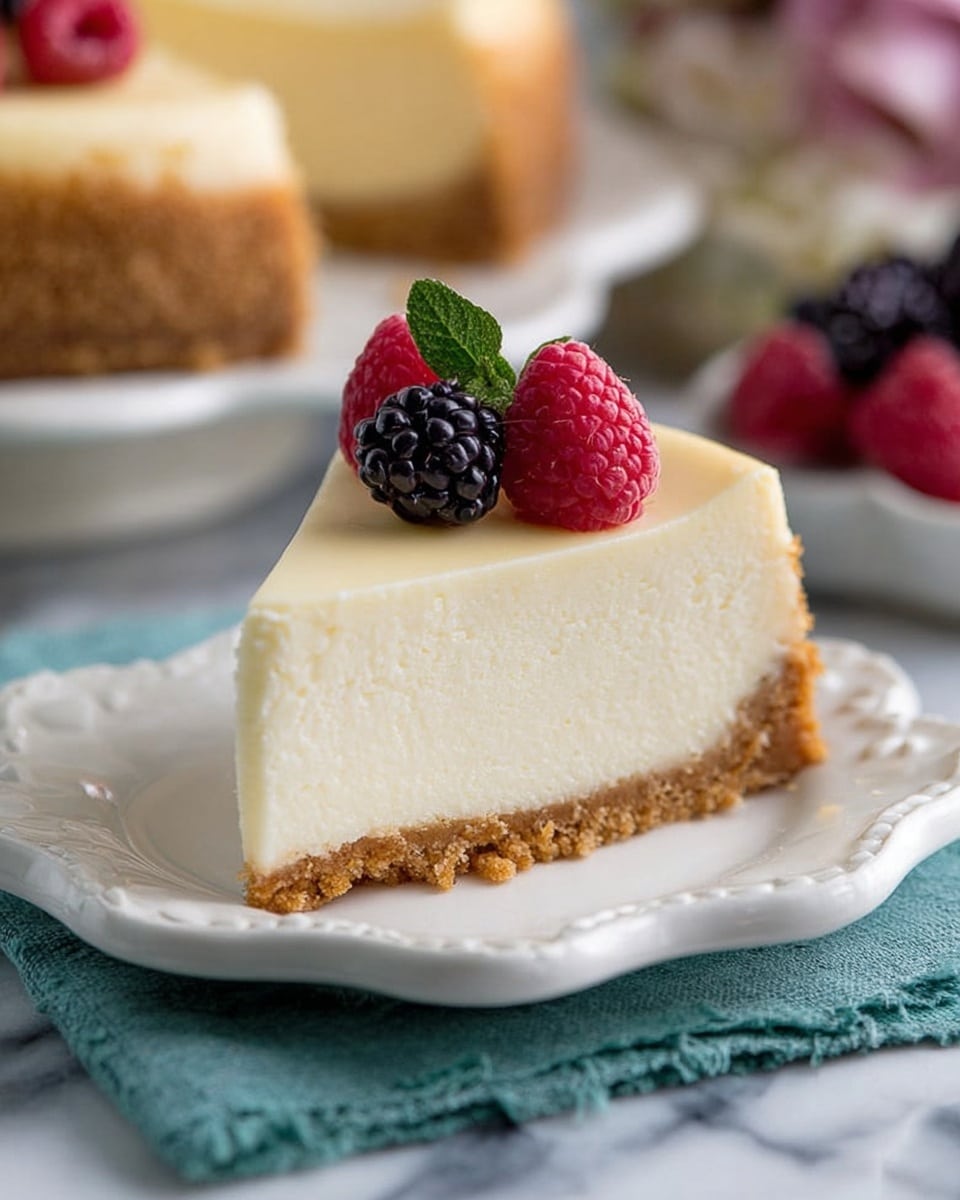
This classic cheesecake recipe offers a perfectly creamy texture with a rich graham cracker crust. It’s simple to make and ideal for any occasion, delivering a timeless dessert everyone will love.
Ingredients
- 1 ½ cups graham cracker crumbs (170g)
- 2 tablespoons sugar
- 1 tablespoon brown sugar (can substitute white)
- 7 tablespoons butter, melted
- 32 oz cream cheese, softened to room temperature (910g)
- 1 cup sugar (200g)
- ⅔ cup sour cream (160g)
- 1 ½ teaspoons vanilla extract
- ⅛ teaspoon salt
- 4 large eggs, room temperature, lightly beaten
Instructions
- Step 1: Preheat your oven to 325°F (160°C). Combine graham cracker crumbs, sugar, and brown sugar in a bowl, stirring well. Add melted butter and mix with a fork until fully combined.
- Step 2: Pour the crumb mixture into a 9-inch springform pan. Press firmly into the bottom and up the sides. Set aside.
- Step 3: In a stand mixer bowl or large mixing bowl, beat the cream cheese until smooth and creamy. Avoid over-beating to prevent incorporating excess air.
- Step 4: Add sugar and beat again until creamy.
- Step 5: Mix in sour cream, vanilla extract, and salt until well combined. If using a stand mixer, pause to scrape the bowl sides and bottom with a spatula periodically.
- Step 6: With mixer on low speed, gradually add the beaten eggs one at a time. Stir just until each egg is incorporated. Scrape the bowl again to ensure an even mixture.
- Step 7: Pour the batter into the prepared crust. Place the springform pan on a foil-lined cookie sheet to catch any possible leaks.
- Step 8: Bake on the center rack for 50-60 minutes. The edges should puff slightly and begin to turn light golden brown. The center will be jiggly but should spring back when gently touched. Avoid over-baking.
- Step 9: Remove from oven and let cool on top of the oven for 10 minutes. Then, gently run a knife around the inside edge of the pan to loosen the crust—this helps prevent cracks as it cools.
- Step 10: Allow the cheesecake to cool 1-2 hours at room temperature before refrigerating. Chill overnight or at least 6 hours. Remove the springform pan ring just before serving, then replace it to store any leftovers.
Tips & Variations
- For extra flavor, add a teaspoon of lemon zest to the batter for a subtle citrus note.
- Use white sugar instead of brown sugar in the crust if you prefer a less caramelized flavor.
- Ensure cream cheese and eggs are at room temperature to prevent lumps in the batter.
- To avoid cracks, don’t over-mix and remove the cake from the oven as soon as the center is set but still slightly jiggly.
Storage
Store cheesecake covered in the refrigerator for up to 5 days. For best texture, allow it to come to room temperature for 15-20 minutes before serving. Leftover cheesecake slices can be frozen individually, wrapped well, for up to 1 month; thaw overnight in the fridge before enjoying.
How to Serve
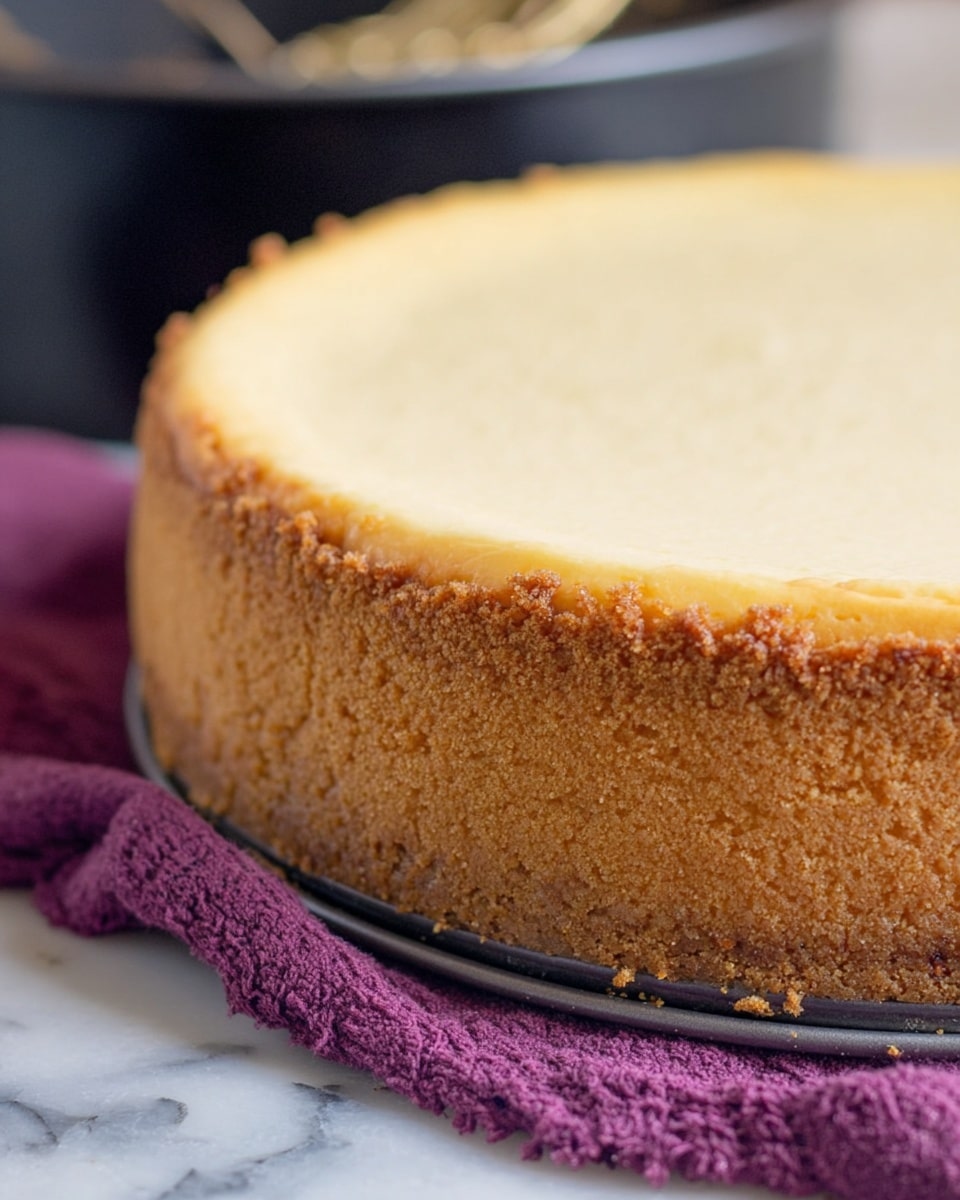
Serve this delicious recipe with your favorite sides.
FAQs
Can I use a different crust?
Yes, you can substitute the graham cracker crust with crushed digestive biscuits, chocolate cookie crumbs, or even a nut-based crust for a twist on the classic.
How do I prevent cracks on my cheesecake?
Avoid over-beating the batter, bake at a steady low temperature, and loosen the edges with a knife after baking before cooling. Cooling gradually and chilling overnight also helps reduce cracking.
PrintThe Best Cheesecake Recipe

This classic cheesecake recipe features a rich and creamy filling atop a buttery graham cracker crust. Baked to perfection at a low temperature, this cheesecake has a smooth texture with a slight jiggle in the center, offering the perfect balance of sweetness and tang from sour cream. Ideal for dessert lovers looking for an indulgent yet simple-to-make treat.
- Prep Time: 20 minutes
- Cook Time: 55 minutes
- Total Time: 7 hours 15 minutes
- Yield: 12 servings 1x
- Category: Dessert
- Method: Baking
- Cuisine: American
Ingredients
Graham Cracker Crust
- 1 ½ cups graham cracker crumbs (170g)
- 2 Tablespoons sugar
- 1 Tablespoon brown sugar (can substitute white sugar)
- 7 Tablespoons butter, melted
Cheesecake Filling
- 32 oz cream cheese, softened to room temperature (910g)
- 1 cup sugar (200g)
- ⅔ cups sour cream (160g)
- 1 ½ teaspoons vanilla extract
- ⅛ teaspoon salt
- 4 large eggs, room temperature, lightly beaten
Instructions
- Preheat the Oven: Set your oven to 325°F (160°C) to prepare for baking the cheesecake.
- Prepare Graham Cracker Crust: In a mixing bowl, combine graham cracker crumbs, sugar, and brown sugar. Stir well to blend. Add melted butter and use a fork to thoroughly combine until the mixture resembles wet sand. Press this crumb mixture firmly into the bottom and up the sides of a 9″ springform pan to form an even crust. Set aside.
- Mix Cream Cheese: In a stand mixer bowl or a large bowl using a hand mixer, beat the softened cream cheese until smooth and creamy. Take care not to overbeat to avoid incorporating excess air.
- Add Sugar: Add sugar to the cream cheese and mix again until creamy and fully integrated.
- Combine Sour Cream, Vanilla, and Salt: Stir in sour cream, vanilla extract, and salt. Pause to scrape the bowl with a spatula frequently ensuring even mixing.
- Incorporate Eggs: With the mixer on low speed, gradually add the lightly beaten eggs one at a time, stirring just until each is incorporated. Avoid overmixing. Scrape the sides and bottom of the bowl again to fully combine all ingredients.
- Assemble Cheesecake: Pour the cheesecake batter evenly over the prepared graham cracker crust in the springform pan. Place the pan on a foil-lined cookie sheet to catch any leaks during baking.
- Bake: Transfer to the center rack of the preheated oven and bake for 50-60 minutes. The cheesecake edges will puff slightly and may turn a light golden brown. The center should be jiggly but spring back when touched. Avoid overbaking to maintain a creamy texture.
- Cool Initial: Remove the cheesecake from the oven and allow it to cool on top of the oven for 10 minutes. Run a knife around the pan edges to loosen the crust to prevent cracking as it cools and contracts. Do not remove the springform ring yet.
- Cool to Room Temperature: Let the cheesecake cool on the counter for 1-2 hours until close to room temperature.
- Refrigerate: Cover and chill the cheesecake in the refrigerator overnight or for at least 6 hours to fully set.
- Serve: Just before serving, remove the springform ring, slice, and enjoy. Replace the ring to store leftovers in the fridge.
Notes
- For best results, ensure cream cheese and eggs are at room temperature before mixing to avoid lumps.
- Do not overbeat the batter to keep the cheesecake creamy and avoid cracks.
- Baking times may vary depending on your oven; check the cheesecake starting at 50 minutes.
- Loosening the cheesecake from the pan edges when warm helps to prevent cracks as it cools.
- Chilling the cheesecake overnight improves flavor and texture.
Keywords: cheesecake, classic cheesecake, cream cheese dessert, baked cheesecake, graham cracker crust